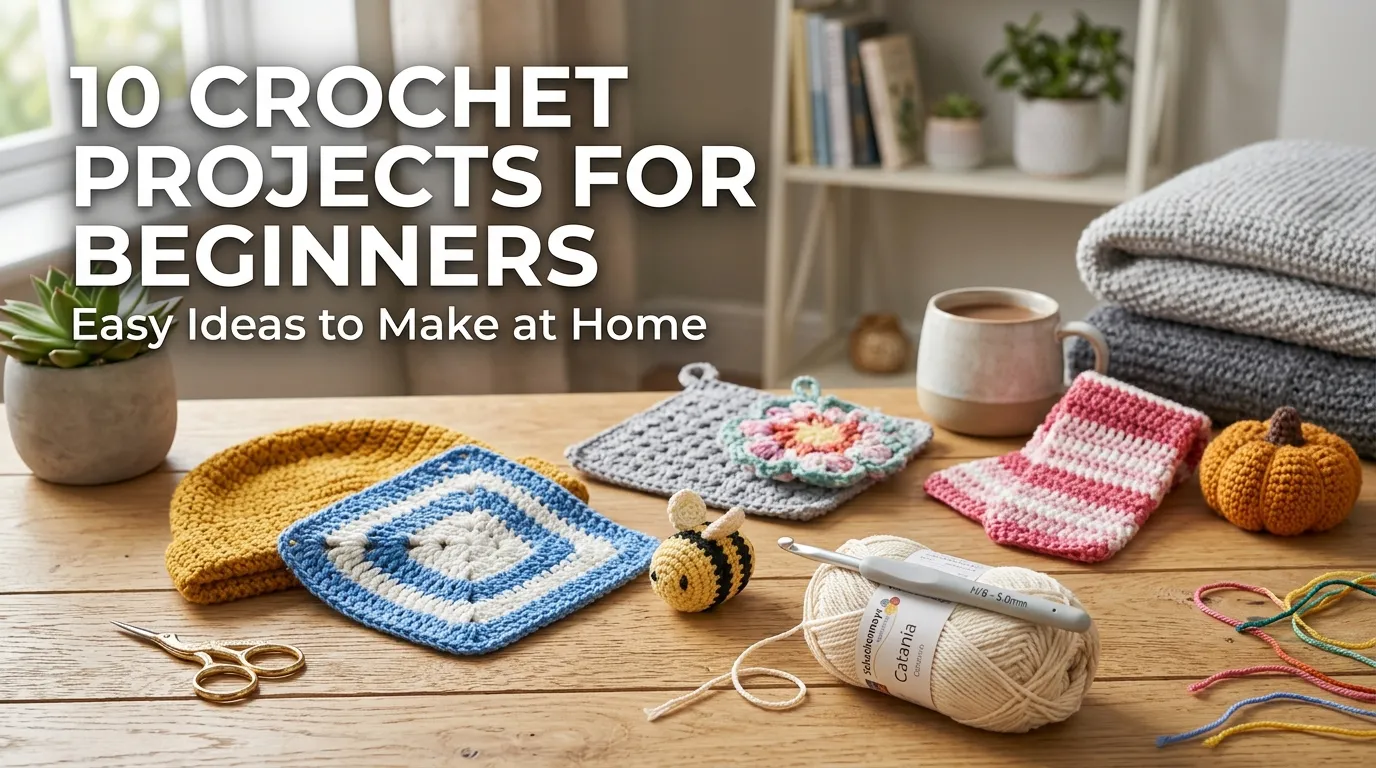
10 Crochet Projects for Beginners Easy Ideas to Make at Home
Crochet is one of those hobbies that looks complicated until you learn a few basic stitches and realize how much you can actually make with them. If you are completely new to crochet, choosing the right first project matters. Starting with something too complicated can quickly become frustrating, while a simple, useful project can give you the confidence to keep going.
The good news is that you do not need an overflowing craft room or years of experience to get started. A crochet hook, a comfortable yarn, and a little patience are enough for many beginner-friendly projects. Simple stitches such as chain stitch, single crochet, and double crochet can be turned into practical pieces you will actually want to use or give as gifts.
This collection focuses on approachable projects that help you practice while creating something attractive. Some are small enough to finish in an afternoon, while others give you more opportunity to practice your tension and stitch consistency.
Whether you want a relaxing weekend hobby, handmade gifts for friends, or a creative way to decorate your home, these ideas are a great place to begin. I especially recommend starting with a small project before moving on to larger pieces because finishing something quickly makes learning feel much more rewarding.
Below, you will find ten beginner-friendly ideas, along with tips for choosing yarn, selecting hooks, keeping your stitches even, and making each finished piece look polished.
Table of Contents
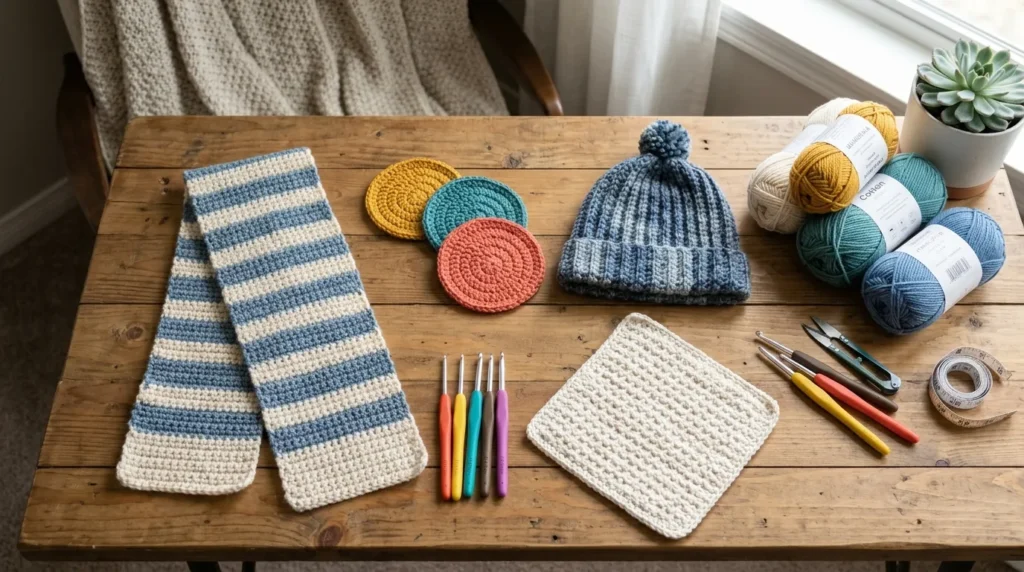
1. Simple Dishcloth
A practical first project that helps you practice basic stitches while creating something useful for the kitchen.
2. Cozy Mug Cozy
A quick handmade accessory that is perfect for practicing simple rows and experimenting with colors.
3. Classic Granny Square
A timeless crochet staple that teaches you how individual rounds come together to create a beautiful square.
4. Easy Headband
A wearable project that lets beginners practice working evenly while making a useful everyday accessory.
5. Chunky Scarf
A satisfying project for learning repetition and stitch consistency with soft, easy-to-handle yarn.
6. Basic Coaster Set
Small projects that can be completed quickly while helping you improve your tension and finishing skills.
7. Simple Plant Hanger
A creative home project that introduces basic shaping while adding handmade personality to a room.
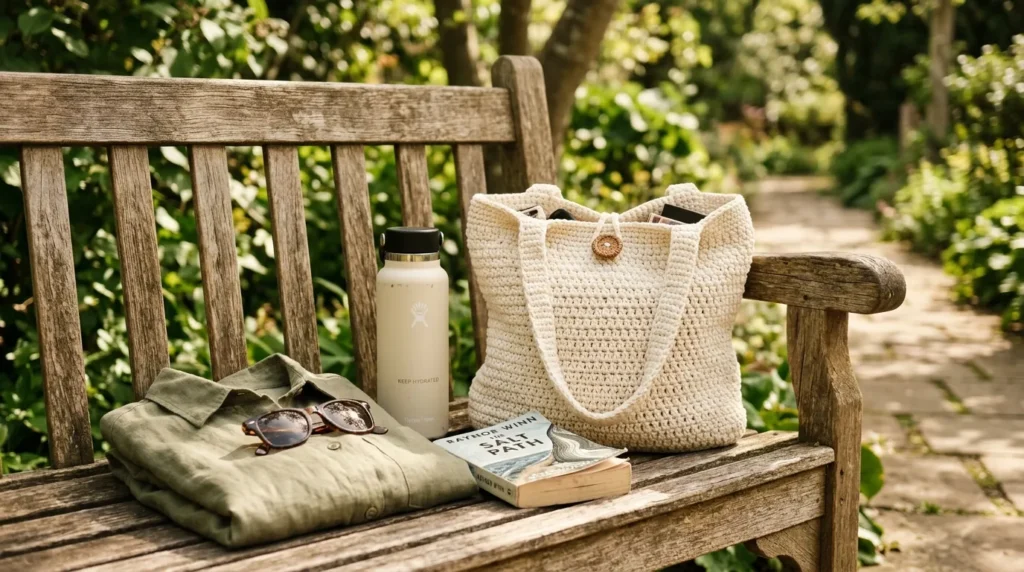
8. Beginner Tote Bag
A practical project that turns simple crochet rows into something you can carry and use.
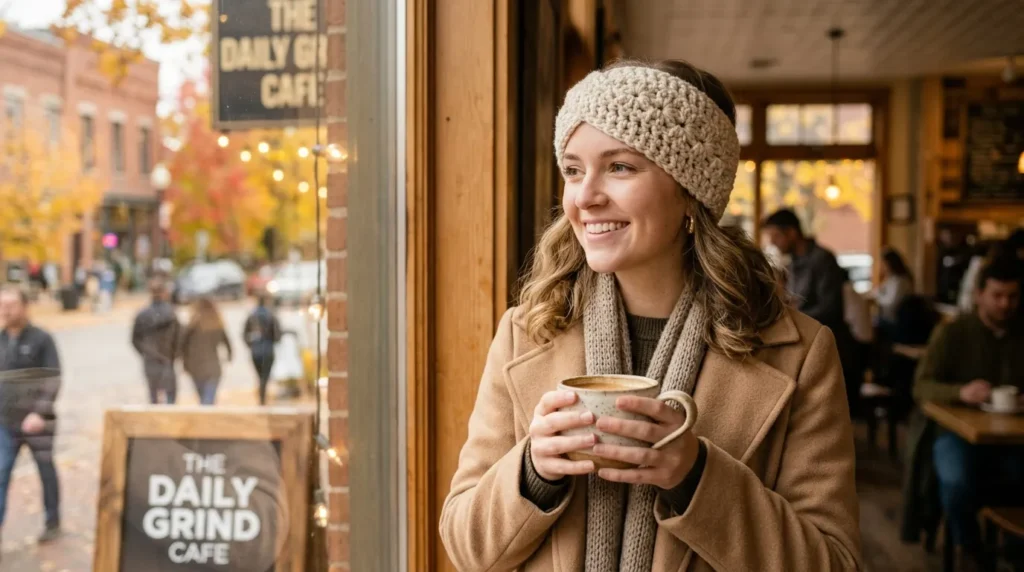
9. Soft Ear Warmer
A comfortable cold-weather accessory that combines easy construction with plenty of room for customization.
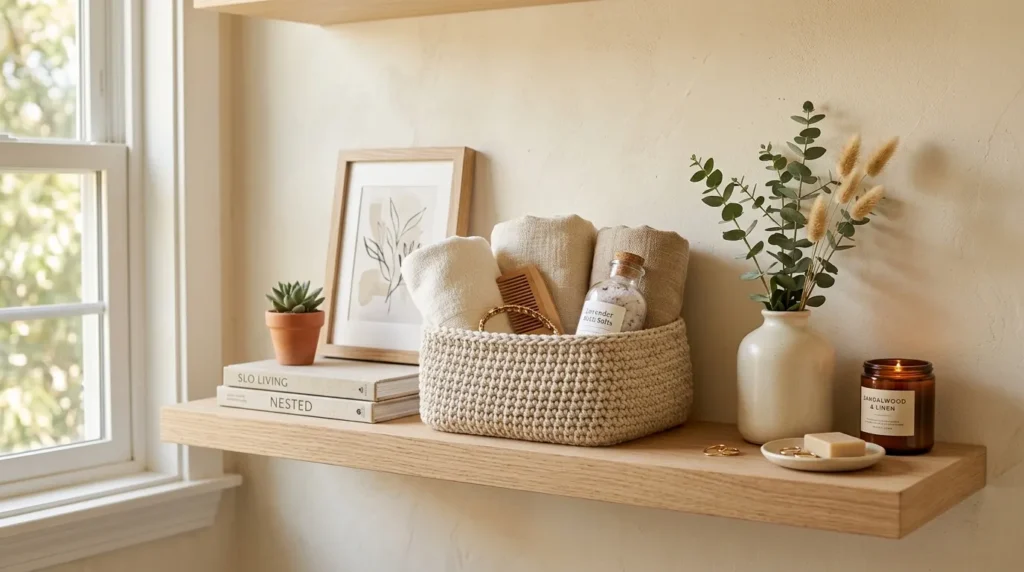
10. Mini Storage Basket
A useful home project that helps you practice working in the round while creating attractive organization.
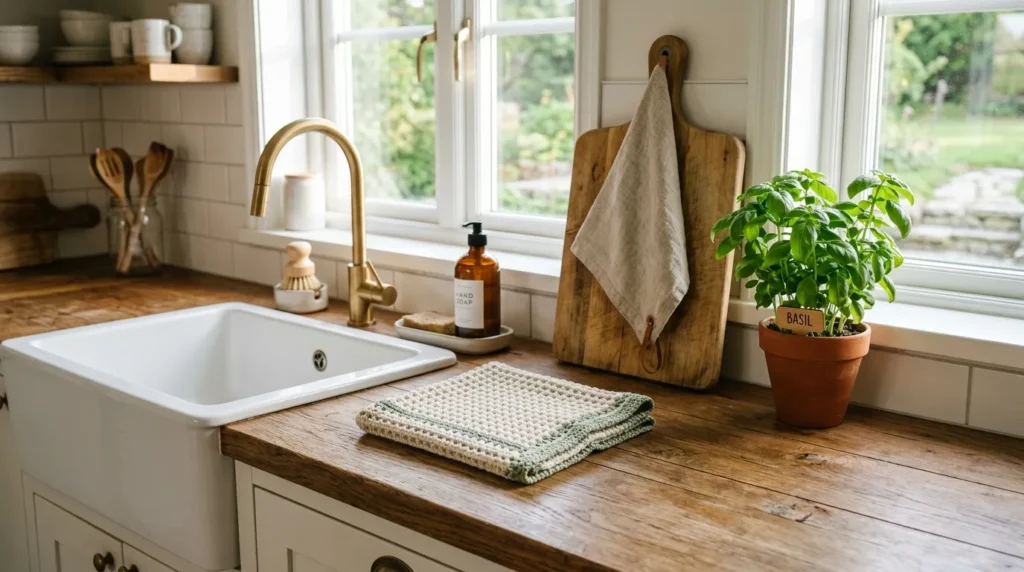
1. Simple Dishcloth
Quick Benefits
- Easy way to practice basic crochet stitches
- Requires very little yarn
- Useful in everyday kitchens
- Makes an inexpensive handmade gift
- Can be finished relatively quickly
Why It Works
A dishcloth is one of the most forgiving places to begin because you can concentrate on learning your stitches without worrying about complicated shaping. The rectangular design also makes it easier to see whether your edges are staying straight. Cotton yarn is particularly useful because it is durable, washable, and absorbent, making the finished piece practical rather than purely decorative.
In my experience, small functional projects can make learning crochet much more enjoyable. You get immediate feedback from your stitches and can see your progress row by row. If your first few rows are slightly uneven, that is completely normal. With practice, your tension usually becomes more consistent, and the finished cloth starts looking much more polished.
How To Style It
Choose a medium-weight cotton yarn in a soft neutral such as cream, oatmeal, sage, dusty blue, or warm gray. These colors give the finished dishcloth a simple handmade look that works beautifully with modern kitchens and farmhouse-inspired spaces.
Start with a basic rectangular pattern using single crochet or half-double crochet. Keep your stitches relatively relaxed rather than pulling the yarn tightly. Once finished, add a simple border in a contrasting shade if you want a more finished appearance.
Fold several dishcloths together and tie them with twine or a simple ribbon for an easy hostess gift. They also look lovely stacked beside a wooden cutting board, ceramic pitcher, or woven kitchen basket.
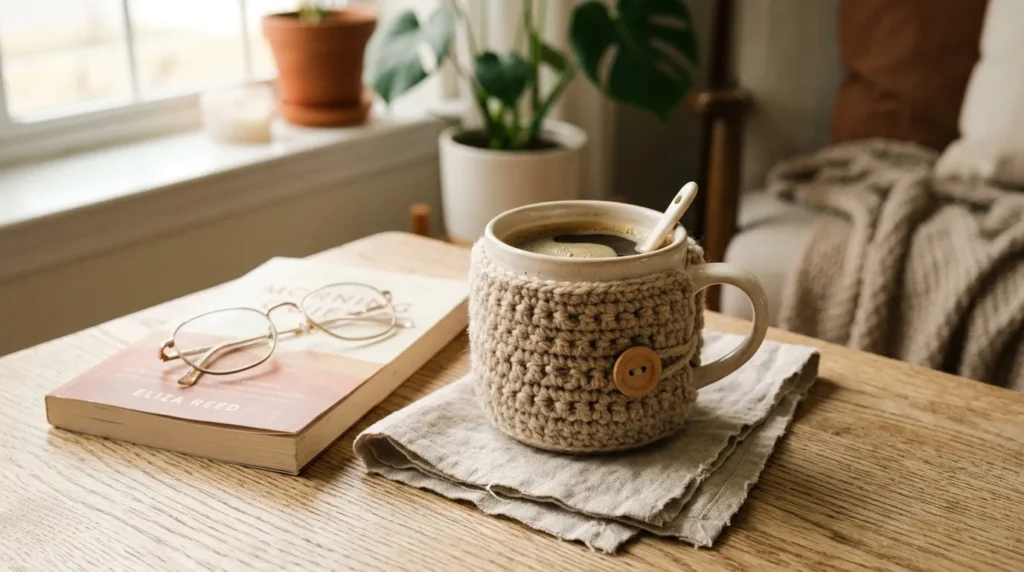
2. Cozy Mug Cozy
Quick Benefits
- Small and beginner-friendly
- Uses a limited amount of yarn
- Great for practicing rows
- Easy to personalize
- Makes a charming handmade gift
Why It Works
A mug cozy is an excellent project when you want something that feels finished without committing to a large amount of work. The basic concept is simply a narrow crocheted band that wraps around the outside of a mug. Because the project is small, you can concentrate on keeping your stitches even and learning how to count rows.
It is also a fun introduction to practical crochet. Instead of making something that sits in a drawer, you create an accessory that can become part of your morning coffee routine. That makes the learning process feel purposeful. You can also experiment with different textures, buttons, stripes, and yarn colors without needing to buy many supplies.
How To Style It
Use a medium-weight yarn in a soft neutral for a minimalist look, or choose a cheerful color if you want your mug cozy to feel playful. A simple single-crochet rectangle is enough for a first attempt.
Measure the finished piece around your mug before adding any closures. You can attach a wooden button and crochet a small loop on the opposite side, creating an easy adjustable closure.
For a cozy fall or winter aesthetic, try warm rust, cream, mustard, olive, or chocolate brown. If you are making gifts, coordinate the cozy with a matching crochet coaster and package both with coffee or tea.
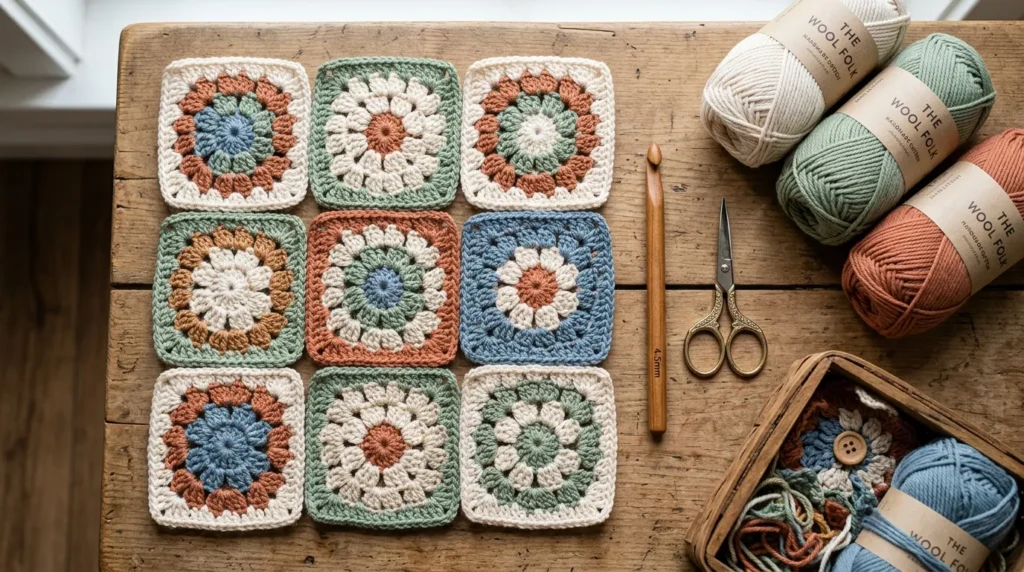
3. Classic Granny Square
Quick Benefits
- Teaches working in rounds
- Helps build stitch confidence
- Easy to customize with colors
- Can become part of larger projects
- Works beautifully for handmade gifts
Why It Works
Granny squares are popular for a reason: they are simple enough for beginners but versatile enough to keep you interested as your skills improve. Instead of crocheting long rows from one edge to another, you build the square in rounds. This gives you valuable practice with turning, joining, changing colors, and recognizing stitch spaces.
The real advantage is that one small square can become part of something much larger. Once you are comfortable making individual squares, you can eventually combine them into blankets, pillow covers, bags, scarves, and other accessories. That makes the granny square a useful foundation for future crochet projects.
How To Style It
For your first square, choose two or three colors that work well together rather than trying to manage a complicated color palette. Cream with terracotta and sage is beautiful for a warm home, while white, dusty blue, and soft gray create a cooler look.
Begin with a simple center and build outward using basic stitches. Focus on maintaining similar tension throughout each round. If your square starts curling or becoming wavy, check whether your tension or stitch count has changed.
Finished squares can be displayed in a small basket while you build a collection. Later, join them together to create a colorful throw or cushion cover.
4. Easy Headband
Quick Benefits
- Creates a wearable finished project
- Requires basic stitches
- Easy to customize for different sizes
- Uses relatively little yarn
- Great for practicing consistent tension
Why It Works
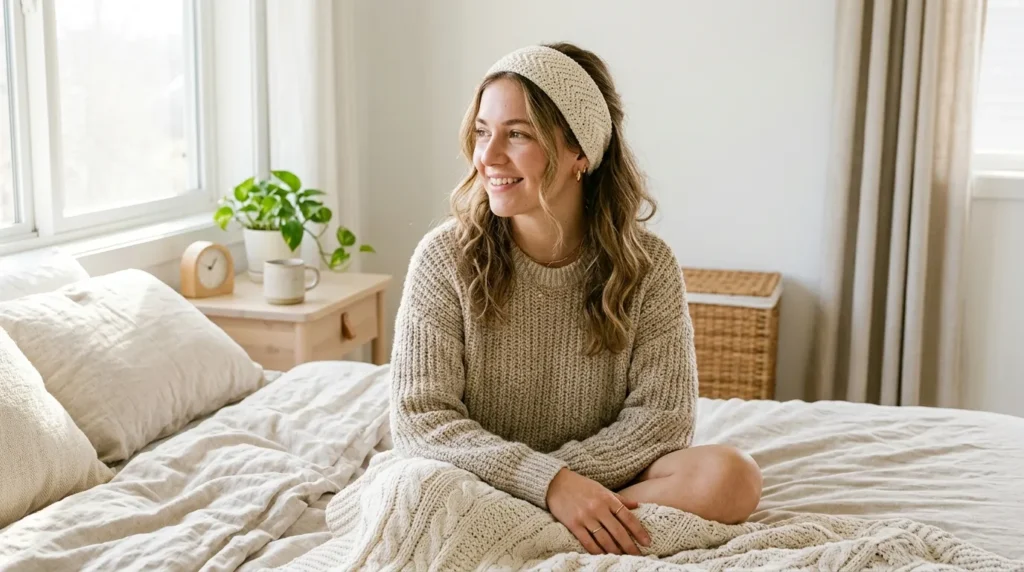
Wearable accessories are particularly motivating for beginners because you can immediately see how your new skill translates into something personal. A crochet headband does not require complicated shaping. Most beginner versions are simply worked into a long rectangle that is eventually joined at the ends.
The project also introduces an important crochet concept: sizing. You need to think about how the fabric stretches and how comfortably it will fit around the head. This teaches you to consider yarn characteristics and tension rather than simply following a stitch count.
How To Style It
Choose a soft yarn that feels comfortable against the skin. A medium-weight acrylic or wool-blend yarn can work well, while a softer fiber may be preferable if you are sensitive to texture.
Work the headband in rows until it reaches the desired length. Neutral colors such as beige, cream, taupe, charcoal, and soft brown create an understated accessory, while burgundy, forest green, or dusty rose can make it more noticeable.
Add a simple twist at the front if you are comfortable with basic construction. Otherwise, keep the design straightforward and finish the seam neatly at the back.
5. Chunky Scarf
Quick Benefits
- Excellent for practicing repetitive rows
- Chunky yarn makes stitches easier to see
- Creates a cozy finished accessory
- Easy to customize
- Makes a thoughtful handmade gift
Why It Works
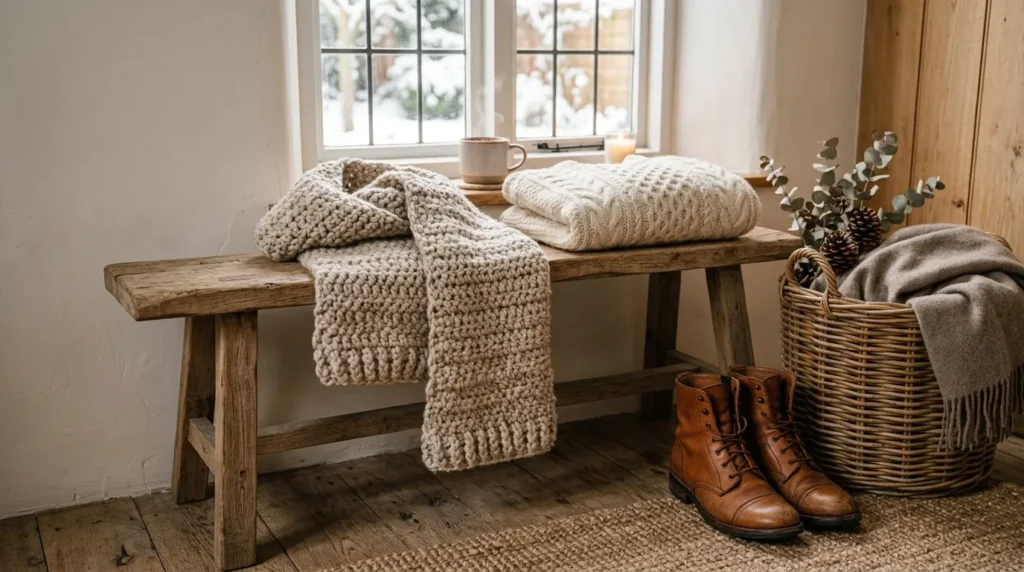
A scarf is a classic crochet project because the construction is straightforward: you work rows until the piece reaches your preferred length. The main challenge is maintaining consistent tension over a larger area. That makes a scarf especially useful once you have practiced a few smaller projects and feel ready for something more substantial.
Chunky yarn can make the process easier because the stitches are larger and easier to identify. It also means the scarf grows more quickly than one made from thin yarn. If you are eager to see a noticeable result from your crochet practice, this can be a satisfying choice.
How To Style It
Choose a chunky yarn in a color that complements your winter wardrobe. Cream, camel, oatmeal, charcoal, chocolate brown, and muted olive are versatile options that pair easily with coats and sweaters.
A simple half-double crochet stitch can create a soft fabric with attractive texture. Keep the scarf width moderate so the finished piece remains comfortable rather than overly bulky.
For a polished finish, add short fringe to both ends. If fringe is not your style, simply weave in the yarn tails carefully and leave the ends clean.
6. Basic Coaster Set
Quick Benefits
- Very small and manageable
- Excellent for stitch practice
- Uses leftover yarn
- Easy to make in matching sets
- Useful for entertaining and everyday use
Why It Works
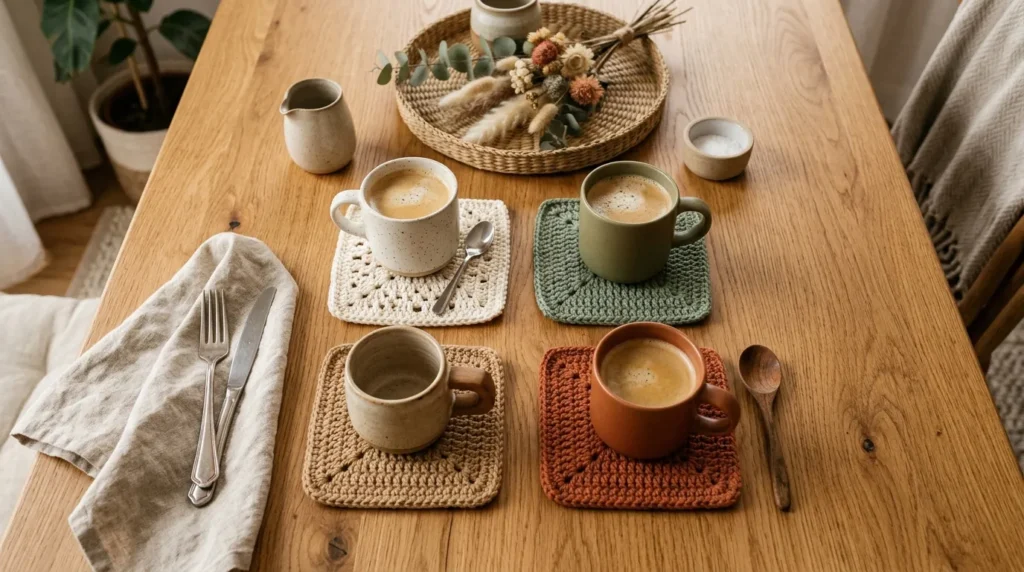
Coasters are ideal when you want to practice without feeling overwhelmed by the size of a project. Because each one is small, you can focus closely on your tension and stitch placement. If you make a mistake, you only need to unravel a small section rather than several hours of work.
They are also a good introduction to creating coordinated handmade pieces. Once you understand the basic shape, you can make a complete set using the same color or create a collection of complementary shades.
How To Style It
Cotton yarn is a particularly practical choice for coasters because it handles everyday moisture well and has a natural, textured appearance. Choose colors that work with your dining or living room palette.
Try cream, tan, sage, terracotta, dusty blue, or warm gray. You can make square coasters using rows or round coasters worked in the round.
Place a stack of finished coasters in a small ceramic dish or woven tray. For a thoughtful gift, tie four matching pieces together with natural twine and pair them with a favorite mug.
7. Simple Plant Hanger
Quick Benefits
- Adds handmade character to your home
- Introduces simple shaping
- Works well with modern decor
- Can showcase small plants
- Makes a creative housewarming gift
Why It Works
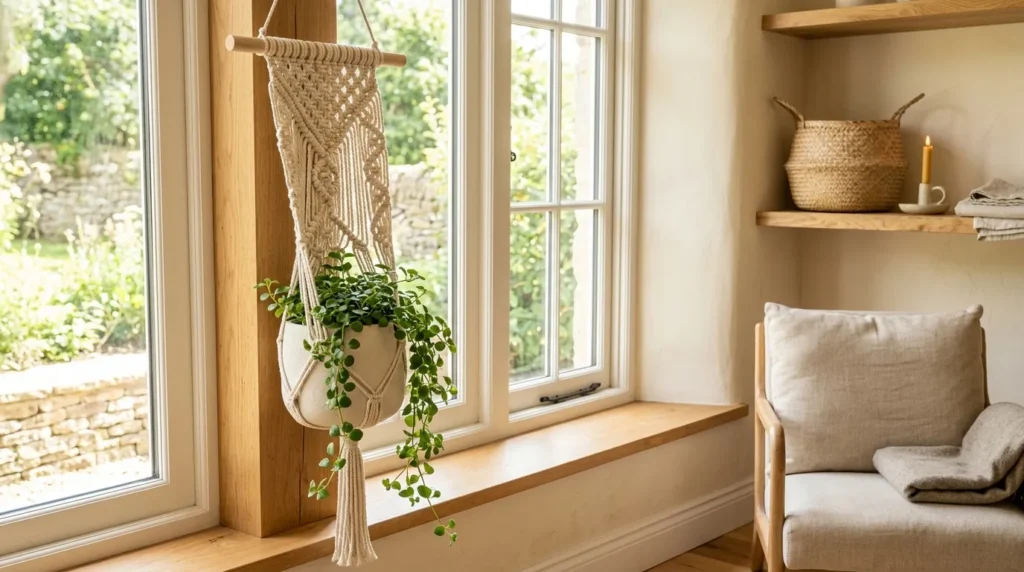
Crochet does not have to be limited to clothing and blankets. A plant hanger gives beginners an opportunity to bring handmade texture into their home. The project can be created using relatively simple crocheted strips or cords that come together to support a lightweight plant pot.
The visual appeal comes from the combination of soft fiber and natural greenery. Against a neutral wall, a crocheted hanger can add warmth without making the room feel cluttered. This is especially useful in apartments or smaller homes where vertical decorating can make better use of available space.
How To Style It
Choose sturdy cotton cord or a durable yarn rather than a very delicate fiber. A neutral shade such as natural cream, beige, or light brown keeps the hanger versatile and allows the plant to become the visual focus.
Hang it near a bright window while avoiding a location where the pot could be knocked over. Lightweight ceramic or plastic planters are generally easier to support than heavy containers.
Pair the hanger with trailing plants, a small woven basket, and natural wood accents for a relaxed look. If your room already has plenty of texture, keep the crochet pattern simple.
8. Beginner Tote Bag
Quick Benefits
- Creates a practical everyday item
- Helps develop consistent tension
- Easy to personalize
- Great for reusable shopping trips
- Can become a thoughtful handmade gift
Why It Works
A tote bag is a rewarding next step once you feel comfortable with basic crochet rows. The basic construction can be surprisingly straightforward: crochet the main body, create handles, and join the necessary pieces. The larger surface gives you more practice while still avoiding the complex shaping found in fitted garments.
There is also plenty of room for personality. You can use stripes, textured stitches, neutral colors, or a simple solid design. Because the finished item has a clear everyday purpose, it can be easier to stay motivated while working through repeated rows.
How To Style It
For a sturdy beginner tote, cotton or cotton-blend yarn is a practical option. Choose a medium-weight yarn and avoid making the stitches extremely loose if you plan to carry everyday items.
Natural cream, black, tan, olive, and muted blue are easy to coordinate with casual outfits. Add a contrasting stripe near the top for subtle visual interest.
Keep the handles wide enough to feel comfortable over your shoulder. Before using the finished bag for heavier items, test its strength with lightweight objects and make sure the seams are secure.
9. Soft Ear Warmer
Quick Benefits
- Quick cold-weather project
- Requires basic crochet techniques
- Comfortable and practical
- Easy to make in different colors
- Great handmade gift option
Why It Works
An ear warmer offers many of the benefits of a scarf without requiring nearly as much time or yarn. It is another rectangular project, which makes it approachable for someone still developing basic crochet skills. At the same time, you get useful practice with sizing, stretch, finishing, and working with textured yarn.
This type of accessory can also introduce you to ribbed crochet effects. Alternating simple stitch techniques can create vertical texture that looks more advanced than the construction actually is.
How To Style It
Choose a soft yarn with enough stretch to remain comfortable around the head. Neutral colors work especially well for everyday wear, while deeper seasonal colors can create a more autumnal or winter-inspired accessory.
Try cream, camel, heather gray, burgundy, forest green, or soft brown. Work a rectangle that fits comfortably around the head and join the ends securely.
For a decorative finish, create a small twist in the front before joining the seam. Pair the finished ear warmer with a chunky scarf in a similar color family for a coordinated winter look.
10. Mini Storage Basket
Quick Benefits
- Helps practice crochet in the round
- Adds useful organization
- Works in many rooms
- Can use leftover yarn
- Makes a stylish handmade home accessory
Why It Works
A small storage basket is a wonderful project when you want your crochet practice to become part of your home. Unlike a purely decorative piece, it has a clear function: holding small items such as hair accessories, craft supplies, keys, remote controls, or toiletries.
The basket also introduces a slightly different crochet experience because you work around the base and then build upward. As you become more comfortable, you can experiment with different heights, colors, and textures. The result can look polished even when made with relatively simple stitches.
How To Style It
Use a sturdy cotton yarn or several strands held together if the pattern calls for additional structure. Neutral colors such as oatmeal, cream, taupe, charcoal, or natural brown work especially well with modern interiors.
Keep the basket relatively small for your first attempt. A firm base helps it sit flat, while tighter stitches can provide additional structure.
Place one on a bathroom shelf for small toiletries, beside a sofa for remotes, or on a desk for pens and craft supplies. A simple leather or wooden tag can add a subtle decorative touch if you want a more finished look.
Choosing Your First Crochet Supplies
You do not need a large collection of supplies to start crocheting. Keeping your first shopping list simple can actually make learning easier.
Crochet Hooks
A medium-sized hook is generally a comfortable place to begin. The exact size should match the yarn and pattern you are using, so always check the yarn label or pattern instructions.
If you plan to crochet regularly, consider buying a small set rather than collecting many individual hooks immediately.
Yarn
For beginners, smooth medium-weight yarn is usually easier to handle than very thin, fuzzy, or highly textured yarn. Look for yarn where you can clearly see the individual stitches.
Cotton is particularly useful for kitchen projects and baskets, while acrylic can be versatile and affordable for accessories and practice pieces.
Scissors
A small, sharp pair of scissors makes trimming yarn much easier. You do not need specialty craft scissors to begin.
Yarn Needle
A blunt yarn needle is useful for weaving in loose ends and finishing projects neatly. Learning to secure your yarn tails properly makes a noticeable difference in the appearance of finished pieces.
Common Beginner Mistakes
Learning crochet is partly about learning what not to do. A few small habits can make the process much easier.
Crocheting Too Tightly
Many beginners grip the yarn and hook tightly because they are concentrating. This can make it difficult to insert the hook into stitches and can leave the finished fabric stiff.
Try relaxing your hands and allowing the yarn to move naturally.
Losing Track of Stitches
It is easy to accidentally add or skip a stitch at the beginning or end of a row. Counting your stitches regularly can prevent your project from gradually becoming wider or narrower.
Choosing Complicated Yarn
Beautiful novelty yarn can be tempting, but highly fuzzy or textured yarn makes individual stitches harder to see. Start with smooth yarn until you are comfortable identifying your stitches.
Skipping Finishing
A project is not really finished when you stop crocheting. Loose ends should be woven securely into the fabric. Taking a few extra minutes for finishing can make a handmade piece look considerably more professional.
How To Make Crochet Look Polished
The difference between a project that looks homemade and one that looks beautifully handmade often comes down to small details.
Keep your tension as consistent as possible. It is normal for tension to improve as you practice, so do not expect perfect stitches immediately.
Choose a color palette before starting projects that will be displayed together. Three or four coordinated shades usually create a more intentional appearance than randomly combining every color you own.
Pay attention to edges. Straight edges can make even a very simple project look clean and professional.
Finally, do not rush the finishing stage. Secure yarn tails, smooth the project gently, and follow any blocking instructions appropriate for your yarn and pattern.
Frequently Asked Questions
What is the easiest crochet project for a beginner?
A simple dishcloth, coaster, or small mug cozy is an excellent first project. These designs usually involve straightforward rows and basic stitches, allowing you to practice without investing many hours or large quantities of yarn.
What should a beginner crochet first?
Start with a small rectangular project such as a dishcloth or scarf. These projects help you learn foundational techniques including making a starting chain, working rows, maintaining stitch counts, and keeping your edges relatively straight.
What yarn is best for beginner crochet?
Smooth medium-weight yarn is generally easiest for beginners because individual stitches are easy to see. Cotton and acrylic yarn are both practical choices, depending on the project. Avoid very thin, fuzzy, or highly textured yarn until you feel comfortable identifying stitches.
How long does it take to learn crochet?
You can learn the basic mechanics of crochet relatively quickly, but developing consistent tension and neat stitches takes practice. A small project completed over several sessions can give you useful experience without requiring a major time commitment.
Is crochet cheaper than buying handmade items?
It depends on the yarn, tools, project size, and amount of time involved. Crochet is not always cheaper than mass-produced products, but it allows you to customize colors, dimensions, and materials while creating something personally meaningful.
What crochet stitch should beginners learn first?
The chain stitch is an essential starting point, followed by basic stitches such as single crochet and double crochet. Once you understand these stitches, many beginner patterns become much easier to follow.
How can I keep my crochet edges straight?
Count your stitches at the end of each row and pay close attention to the first and last stitch. Using a stitch marker can also help you identify important stitch positions. Consistent tension becomes easier with practice.
Conclusion
Crochet becomes much less intimidating once you stop thinking about complicated finished pieces and start focusing on one small project at a time. A simple dishcloth can teach you tension and straight rows. A granny square can introduce working in rounds. A headband or ear warmer can show you how crochet translates into something wearable, while a tote or storage basket lets you create something useful for everyday life.
The most important thing is not making your first project perfect. Your first stitches are practice, and uneven tension or a slightly imperfect edge is part of learning. Each project gives you another opportunity to understand how your hook, yarn, tension, and stitch placement work together.
Start with one idea that genuinely appeals to you. Choose easy-to-see yarn, gather a comfortable hook, and give yourself permission to unravel and try again when something goes wrong.
Once you finish that first piece, you may find yourself looking around your home wondering what you can crochet next. That is where the hobby becomes especially fun: simple stitches can gradually turn into useful accessories, thoughtful gifts, and beautiful handmade details that feel uniquely yours.