
How Wide Must a Walk-In Fixed Glass Screen Be to Stop Water Splashing Out?
Determining how wide must a walk-in fixed glass screen be to stop water splashing out is a common challenge for homeowners planning a bathroom renovation. If you aim for a dry bathroom floor, the industry standard for a fixed glass panel is typically between 900mm and 1200mm in length. While smaller panels can look sleek, they often fail to contain the spray from modern high-flow shower heads.
By understanding the relationship between the shower head placement, the entry width, and the screen size, you can effectively prevent water from escaping your shower area. This article provides the technical insights needed to balance aesthetic appeal with practical water containment.
Determining the Ideal Screen Width
When you ask how wide must a walk-in fixed glass screen be to stop water splashing out, the most reliable answer is a minimum of 900mm. However, 1000mm to 1200mm is often the “sweet spot” for most standard bathroom layouts.
If your walk-in shower area is less than 900mm wide, you are almost guaranteed to have water on your floor after every use. A wider screen provides a larger physical barrier, which accounts for the natural spray pattern of your shower head.
The effectiveness of a screen is not just about the width of the glass itself. You must consider the total length of the shower area and where the water source is positioned. If your shower head is mounted on the wall directly opposite the open entry, you need a longer panel to deflect the rebound.
Most professional installers recommend starting with 900mm and increasing the size if you have the physical space available. A larger panel reduces the risk of stray droplets landing on your bathroom floor outside the designated zone.
Understanding Spray Patterns and Physics
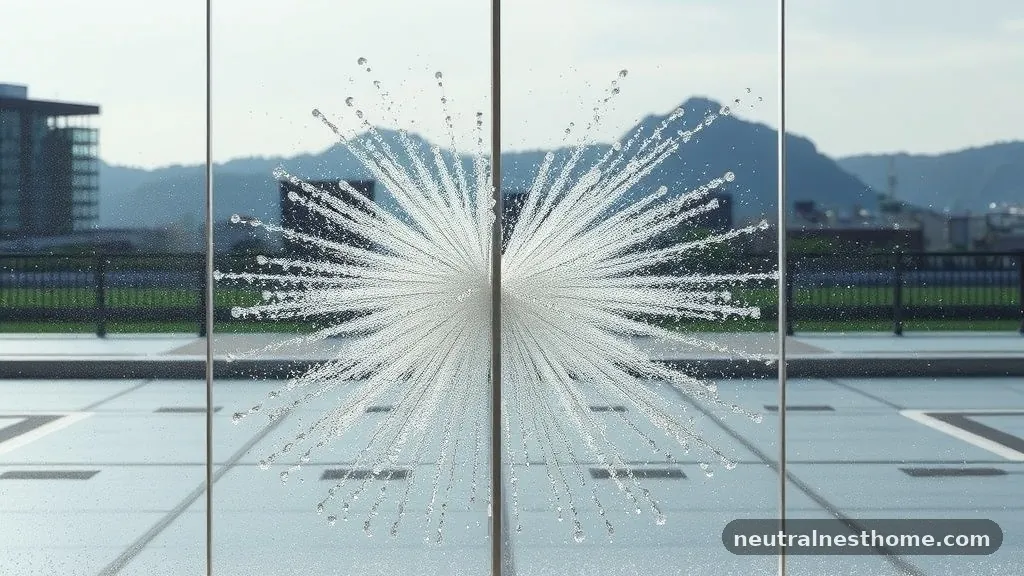
Water splashing is a result of the pressure and the angle of the shower head. When water hits your body or the floor, it creates a mist and larger droplets that travel outward.
A narrow screen provides a limited “shadow” for the water, meaning droplets can easily curve around the edge. If you use a high-pressure rainfall shower head, the spray radius is significantly larger than that of a standard handheld unit.
You should observe the trajectory of the water before finalizing your glass order. Place a piece of tape on the floor to mark the proposed edge of the screen and test the spray. If you see water crossing that line, you know the screen must be extended.
Physics dictates that the further the water travels from the source, the more it will disperse, making a longer barrier essential. Many people underestimate how far water can bounce off a tiled surface or the human body.
Managing the Open Entry Width
One common mistake is leaving an entry that is far too wide, which forces the glass screen to be shorter than necessary. A standard opening for a walk-in shower is typically between 600mm and 800mm.
If you widen this gap to 1000mm for accessibility or design reasons, your fixed glass panel must be proportionally longer to compensate. The goal is to keep the open area just large enough to walk through comfortably.
Balance is the key to a functional design. If you have a total shower length of 1800mm, you might choose a 1000mm fixed panel and an 800mm entry. This setup is generally sufficient to stop splashing while maintaining a spacious feel.
If you find you need a larger entry, consider installing a secondary return panel or a flipper panel to provide extra coverage. These small additions can make a massive difference in keeping your bathroom floor dry.
The Role of Shower Tray and Floor Slope
The width of your glass is only one half of the equation; the floor beneath the shower is the other. A properly installed shower tray or a wet room floor should have a slight slope toward the drain.
If the floor is level or slopes slightly toward the room, water will migrate toward your floor mats regardless of how wide your screen is. This is known as the “pitch” of the floor, and it is a critical component of water management.
You can check the slope using a simple spirit level during the installation process. Even a minor deviation in the wrong direction can cause water to pool at the edge of the glass panel. If the floor is perfectly level, the water will simply sit there and eventually leak past the seal.
A professional installation should ensure that the floor is graded specifically to pull water back toward the waste outlet. According to the National Kitchen & Bath Association, proper grading is essential for the long-term success of any open-concept shower.
Comparison of Screen Sizes for Splash Control
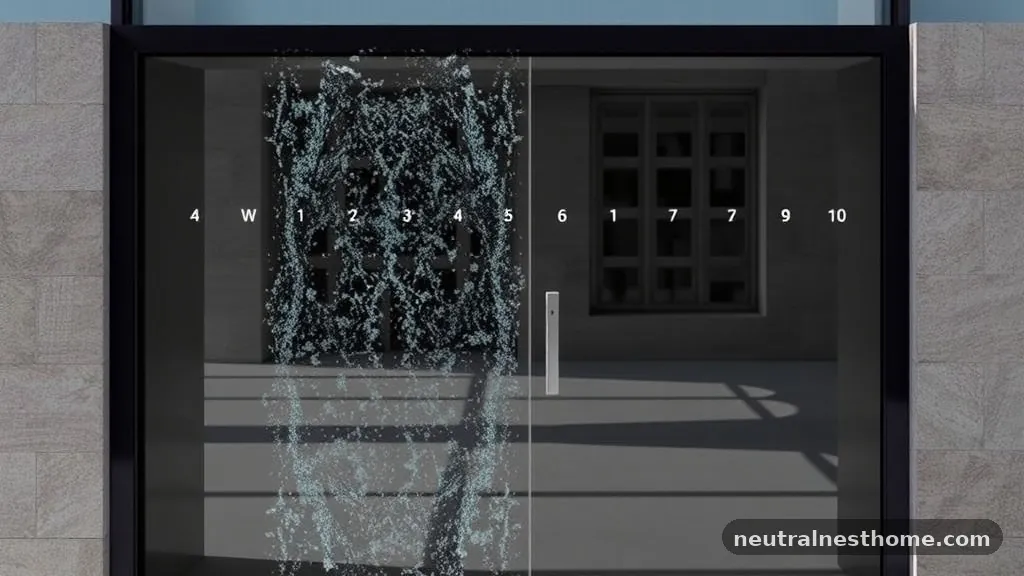
Choosing the right dimensions requires looking at the trade-offs between space and containment. The following table outlines how different screen widths typically perform in a standard 1200mm to 1500mm deep shower area.
| Screen Width | Splash Protection Level | Best For |
|---|---|---|
| 700mm | Low | Very small bathrooms; requires a fixed return panel. |
| 900mm | Moderate | Standard layouts with handheld shower heads. |
| 1000mm | High | Balanced choice for most modern walk-in showers. |
| 1200mm+ | Maximum | Rainfall shower heads or larger walk-in zones. |
Factors That Influence Your Decision
Several variables will dictate the final choice for your bathroom. Consider the following list when planning your layout:
- Shower head type: High-flow rainfall heads create more spray than standard ones.
- Distance from the wall: If the shower head is too close to the open side, the risk of splashing increases.
- User height: Taller individuals often create more splash as they move around the shower area.
- Bathroom ventilation: Poor airflow can make a wet floor feel more problematic than it actually is.
- Accessibility needs: A wider entry might be required for wheelchairs or walkers, impacting total screen length.
Common Mistakes in Glass Selection
Many homeowners focus solely on the visual appearance of the glass and ignore the functionality. A very thin glass panel may look elegant, but if it is too short, it will not serve its purpose.
Another error is failing to use a high-quality silicone seal at the floor and wall junctions. Even a perfectly sized screen will leak if the seal between the glass and the floor is compromised.
Avoid choosing a screen that is too short just to save on costs or to keep the room looking “open.” While glass is expensive, the long-term damage caused by water leaking into subfloors or adjacent walls is far more costly.
If you are worried about the room feeling cramped, consider using clear, frameless glass. This creates the illusion of more space without sacrificing the necessary width to keep your bathroom dry.
Frequently Asked Questions
What is the minimum width for a walk-in shower screen?
The absolute minimum is usually 700mm, but this is rarely effective at stopping water. We recommend at least 900mm to ensure proper water containment.
Can I add a door to a walk-in shower if the screen is too short?
Yes, adding a hinged door or a swinging “flipper” panel is a great way to increase protection. These allow you to keep the screen width smaller while still blocking water when needed.
Does the shower head position affect the splash radius?
Absolutely. If your shower head is positioned near the open edge, you will need a wider screen to catch the spray. Moving the shower head to the back wall is often more effective than simply buying a larger piece of glass.
How do I know if my floor slope is correct?
You can use a level to check the pitch of your shower tray or floor. If the water does not naturally flow toward the drain, you may need a professional to adjust the tiling or the tray installation.
Is frameless glass less effective at stopping water?
Not necessarily, provided the seal at the bottom is installed correctly. Frameless glass relies on high-quality clear seals at the base, which are just as effective as a metal frame.
Final Thoughts on Shower Design
Achieving a dry bathroom floor while maintaining an open-concept design requires careful planning and precise measurements. When you consider how wide must a walk-in fixed glass screen be to stop water splashing out, remember that 900mm is your baseline, but 1000mm or more is often safer. By accounting for your specific shower head pressure and the slope of your floor, you can create a space that is both stylish and functional.
If you find your initial setup still allows for some water escape, adding a small return panel or adjusting the shower head angle can solve the problem without a total redesign. Carefully measuring your space before you purchase will ensure your shower remains a relaxing retreat rather than a maintenance headache.