Walk-In Showers Without Doors: Do They Feel Drafty and Cold Inside?
Deciding to install walk-in showers without doors represents a significant shift in modern bathroom design. Many homeowners find themselves captivated by the clean, minimalist aesthetic but worry about the practical realities of temperature control. You might be wondering if removing the glass enclosure will leave you shivering during your morning routine.
The short answer is that while these setups can feel slightly cooler than an enclosed stall, they are rarely uncomfortably cold if designed with the right layout and climate control features. By understanding how airflow and thermal dynamics function in an open space, you can enjoy this style without sacrificing comfort.
The Direct Verdict on Temperature

It is a common misconception that removing the door makes a shower inherently freezing. In reality, the sensation of cold depends almost entirely on the size of the room, the placement of the shower head, and your ventilation system.
When you step into an open, walk-in area, you are essentially standing in a room within a room. If the bathroom itself is kept at a comfortable ambient temperature, the shower space will naturally maintain that warmth.
The primary reason people report feeling a draft is due to improper air circulation or a poorly placed shower head. If your exhaust fan is pulling air directly from the shower zone, it will create a steady stream of moving air that feels chilly against wet skin.
Conversely, if the shower is tucked into a corner or protected by a half-wall, it traps enough heat to remain cozy. Most people find that the difference in temperature is negligible once they are under the flow of warm water.
Physics of Heat and Airflow
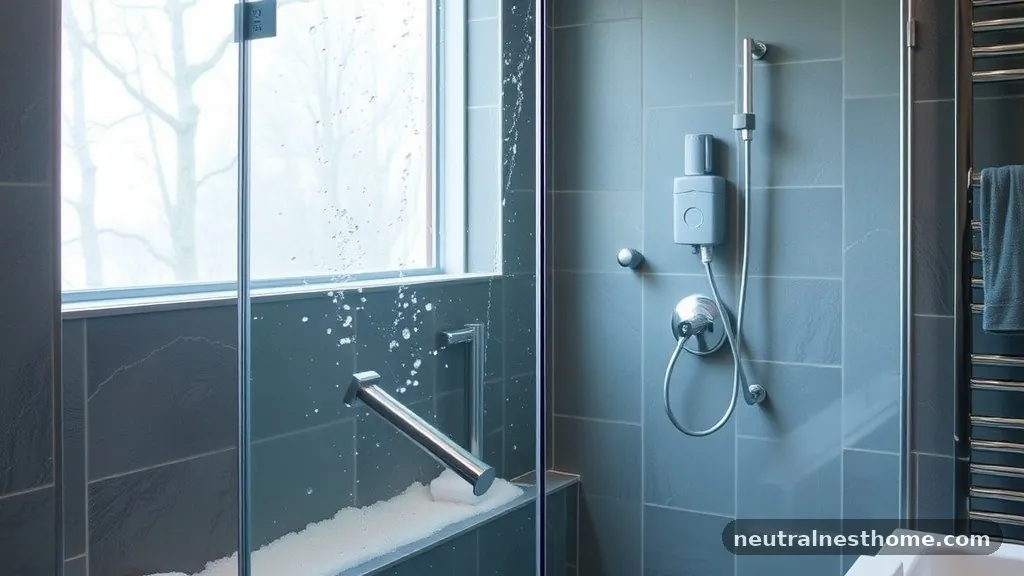
To understand why some showers feel colder than others, you must consider how heat behaves in an open space. Warm air rises and expands, meaning that in a tall, doorless shower, heat can dissipate toward the ceiling quite quickly.
If your bathroom has exceptionally high ceilings, this effect is amplified. You can mitigate this by ensuring the shower area is not excessively large, which keeps the heat concentrated near the user.
Another factor is the influence of external air currents. If a window or an air conditioning vent is located near the entrance of your shower, it will introduce cool air that displaces the warm, humid air you are trying to trap.
This is why professional designers often suggest placing the entrance to a doorless shower away from direct drafts. When you design the layout with airflow in mind, you prevent the “wind tunnel” effect that leads to discomfort.
Strategic Design for Maximum Warmth
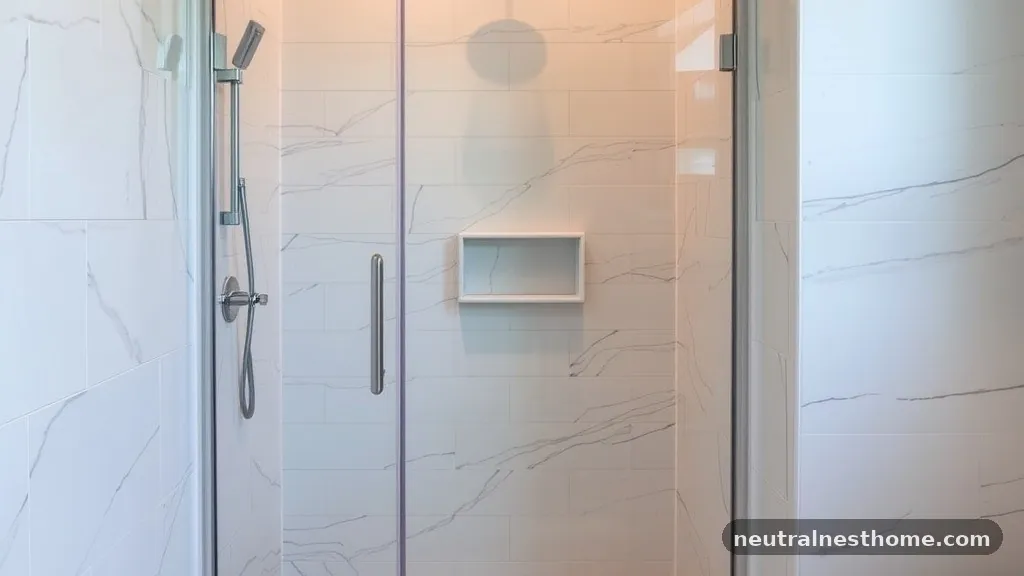
You can significantly improve the thermal performance of your shower through thoughtful architecture. A popular approach involves using a “wet room” style, where the entire bathroom is waterproofed, allowing the shower to be part of the larger, heated space. This eliminates the distinct boundary between the shower and the rest of the bathroom, ensuring the ambient temperature remains consistent throughout.
Incorporating partition walls is another effective strategy for keeping the space warm. A glass screen or a tiled privacy wall serves as a physical barrier that prevents heat from escaping too quickly.
Even a partial wall can break up air currents and provide a sense of enclosure without needing a door. The following table illustrates how different design choices affect the perceived warmth of your shower space:
| Design Element | Impact on Warmth | Recommended Action |
|---|---|---|
| Large Open Floor Plan | High heat loss | Use a dedicated heating zone nearby |
| Ceiling Height | High ceilings disperse heat | Lower the ceiling inside the shower |
| Ventilation Placement | Direct drafts create chill | Offset fans away from the shower |
| Heated Floors | Increases comfort | Install radiant floor heating |
The Role of Radiant Heating
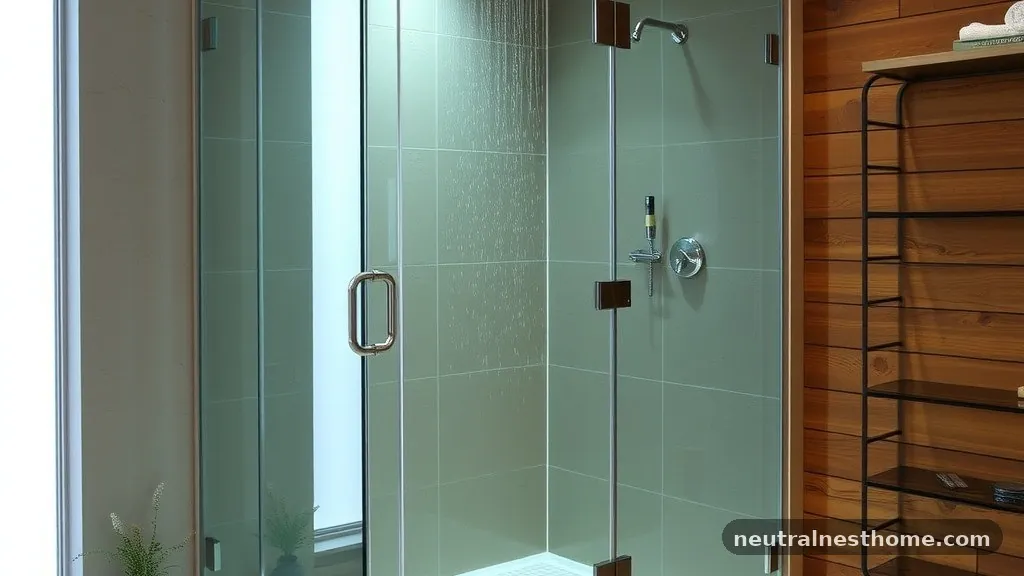
Radiant floor heating is perhaps the most effective way to ensure a doorless shower feels luxurious rather than cold. When the floor itself is warm, it radiates heat upward, creating a buffer zone that keeps your feet and legs comfortable even when the air around you is slightly cooler. This technology is becoming a standard feature in high-end bathroom renovations for this exact reason.
Beyond the floor, you can also look into wall-mounted heating solutions. Some homeowners opt for heated towel rails or wall panels located just outside the shower entrance.
These units not only keep your towels toasty but also act as a localized heat source that warms the air in the immediate vicinity. When you combine radiant floor heating with a well-placed heat source, the lack of a door becomes a non-issue.
Essential Features for Comfort
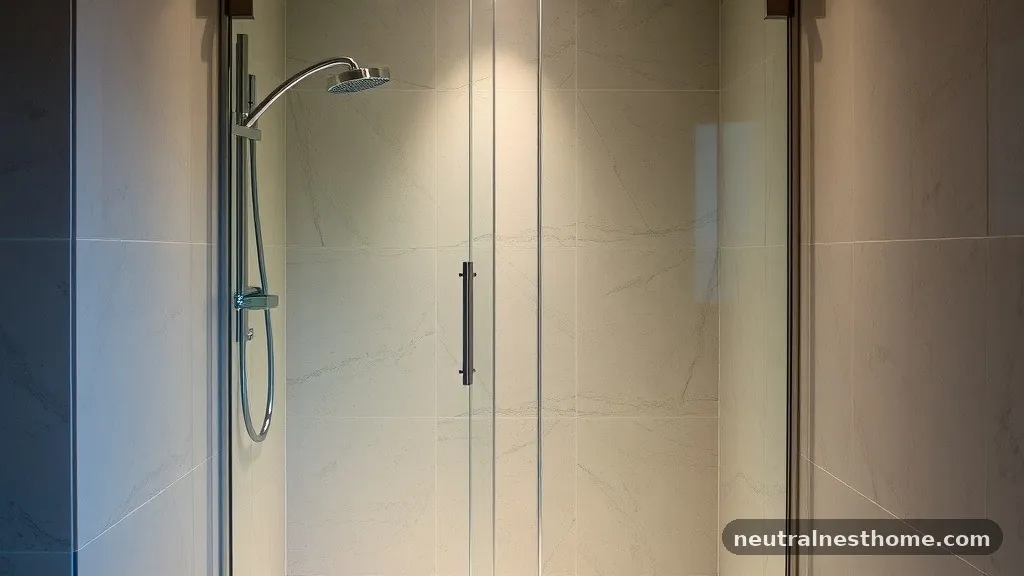
If you are committed to the walk-in aesthetic, you should prioritize specific hardware that maximizes heat retention. Choosing the right shower head is vital, as a high-volume, high-pressure head will fill the space with steam more effectively than a standard low-flow model. Steam carries heat, so a faster buildup of humidity helps keep the immediate area warm.
Consider these essential elements to maintain a comfortable environment:
- Install a high-quality radiant floor heating system under the tile.
- Use glass panels to deflect drafts while maintaining an open feel.
- Place your vanity and shower entrance strategically to minimize cross-breezes.
- Ensure your bathroom’s central heating can maintain a baseline temperature of 70 degrees Fahrenheit.
- Opt for large-format tiles to reduce grout lines, which can sometimes feel colder to the touch.
Managing Ventilation and Humidity
Proper ventilation is a double-edged sword in a bathroom. You need it to prevent mold and mildew, but excessive fan speed will pull all the warm air right out of your shower.
The trick is to install a variable-speed exhaust fan that you can adjust based on your needs. For more information on maintaining a healthy bathroom environment, you can consult the Environmental Protection Agency’s guidance on home air quality.
When you are finished with your shower, you should run the fan at a high setting to clear the humidity. While you are actually in the shower, however, the fan should be set to a lower level that keeps air moving just enough to prevent moisture buildup without creating a draft. This balance is key to enjoying an open-concept bathroom without feeling like you are showering outdoors.
The Aesthetic vs. Practical Trade-off
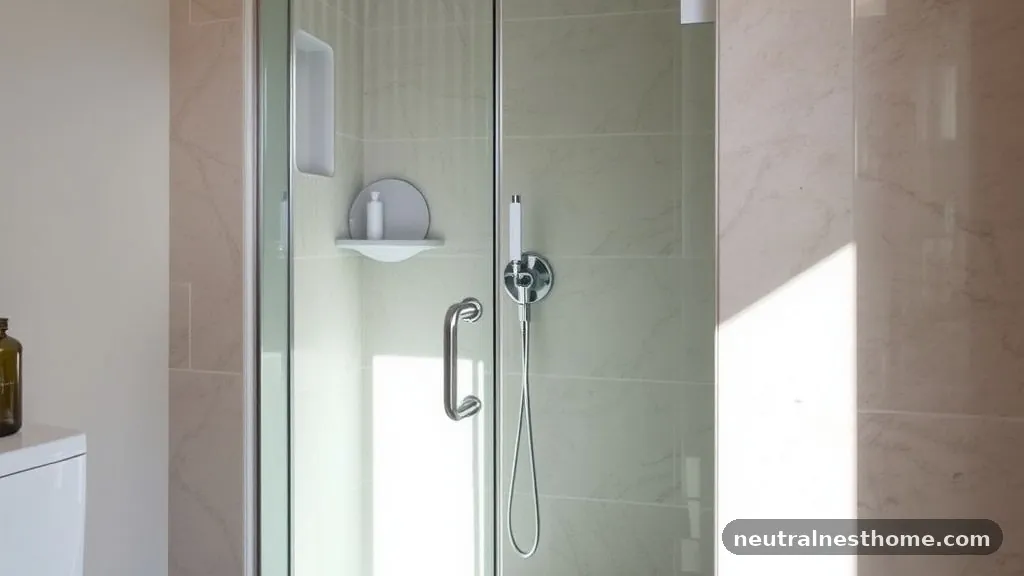
Choosing to remove the door is essentially a choice to prioritize style and accessibility over total heat containment. Many people find that the visual reward of a spacious, modern shower is well worth the minor adjustments needed to stay warm. If you suffer from extreme sensitivity to cold, you might consider a compromise, such as a glass screen that covers three-quarters of the opening.
This setup offers the best of both worlds, providing the visual openness of a walk-in design while creating a significant barrier against drafts. It allows you to maintain the aesthetic of a doorless shower while gaining the thermal benefits of an enclosure. Most bathroom designers are experts at creating these types of semi-open configurations that satisfy both form and function.
Frequently Asked Questions
Do doorless showers really get moldy?
Not if they are designed correctly. Because they allow for better airflow than an enclosed stall, they can actually dry out faster, provided the bathroom has a properly sized exhaust fan to remove excess humidity.
Is it expensive to add radiant heating to a shower floor?
The cost varies based on the size of the area and the type of system, but it is generally considered a moderate investment. When you factor in the long-term increase in comfort and property value, many homeowners find it to be a worthwhile addition.
Can I convert an existing enclosed shower to a doorless one?
In many cases, yes. You will need to ensure that the floor is properly sloped toward the drain to prevent water from escaping the shower zone and that the waterproof membrane is extended to cover the entire wet area.
What is the minimum size for a comfortable doorless shower?
A good rule of thumb is at least 36 inches by 60 inches. This size provides enough depth to keep water contained within the shower area and ensures you have enough space to move around without constantly brushing against cold walls.
Do I need special tiles for a walk-in, doorless shower?
You should prioritize slip-resistant tiles with a high coefficient of friction for the shower floor. Since the area stays wet, safety is paramount, and choosing the right material will prevent accidents while also feeling more substantial underfoot.
Final Considerations for Your Project
Ultimately, the decision to install walk-in showers without doors comes down to your personal tolerance for temperature fluctuations and your commitment to proper design. If you address the potential for drafts through smart layout choices, radiant heating, and strategic ventilation, you will find that these spaces are remarkably comfortable. The sense of openness and luxury they bring to a bathroom is difficult to replicate with traditional, bulky enclosures.
By focusing on the physics of heat retention and the quality of your materials, you can create a space that feels both modern and inviting. Start your planning by consulting with a professional who understands the nuances of open-concept bathroom design to ensure your finished project meets all your expectations.