
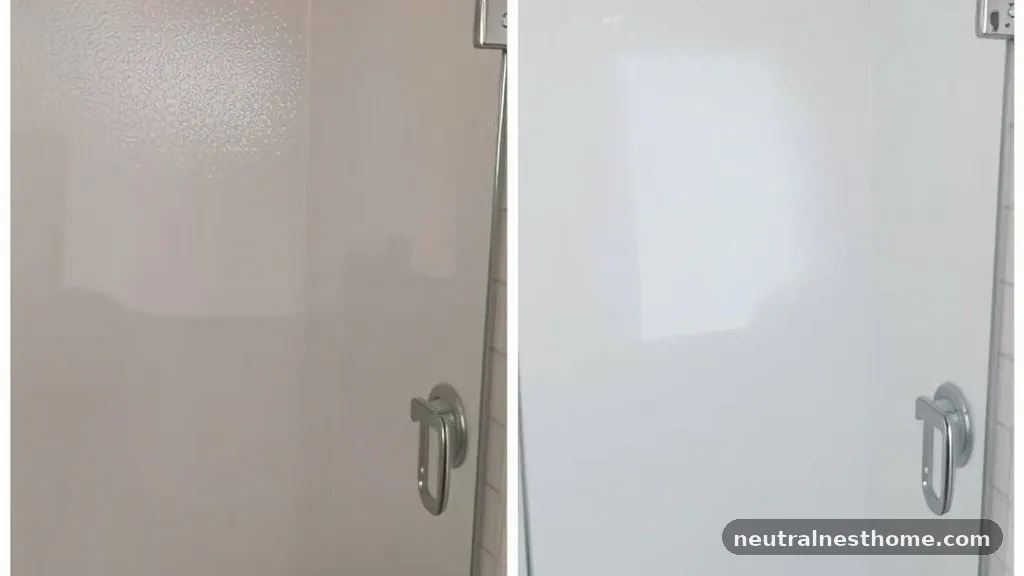
How to Restore Cloudy Glass Shower Doors That Look Permanently Foggy
Restoring cloudy glass shower doors that look permanently foggy is a common challenge for homeowners dealing with persistent mineral buildup. These unsightly stains are rarely just dirt; they are usually the result of long-term exposure to hard water and soap scum. By understanding the chemical nature of these deposits, you can effectively break them down and reclaim the clarity of your bathroom enclosure.
This process requires the right balance of acidity, mechanical action, and long-term protection. By following a structured approach to cleaning and sealing, you can transform a neglected shower stall back into a pristine, transparent feature of your home, saving money on expensive replacements.
Understanding the Causes of Mineral Haze
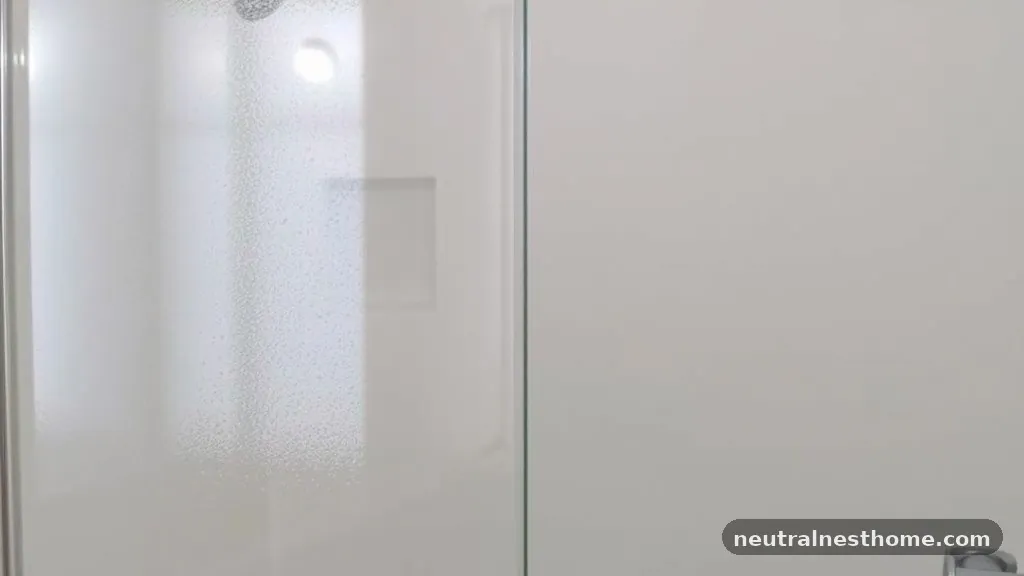
The primary culprit behind persistent fog on shower glass is the accumulation of minerals found in municipal or well water. As water droplets evaporate from the surface, they leave behind dissolved solids, primarily calcium and magnesium ions.
Over time, these particles bond to the glass, creating a stubborn layer known as limescale. This is not merely sitting on top of the glass; it often embeds itself into the microscopic pores of the surface, making it feel rough to the touch.
Soap scum complicates this issue by acting as a binding agent. When fatty acids in your body wash or bar soap react with the minerals in your water, they create a waxy, insoluble film.
This film traps additional mineral deposits, creating a layered, opaque crust that standard glass cleaners cannot penetrate. If left untreated for months or years, these deposits can lead to permanent etching, where the minerals actually degrade the surface of the glass itself.
The Chemistry of Effective Cleaning

To remove these deposits, you must use a cleaning agent capable of dissolving mineral bonds. Because limescale is alkaline, it reacts readily with mild acids.
The most accessible and effective household solution for this is white vinegar, which contains acetic acid. When applied to the glass, the acid neutralizes the alkalinity of the mineral deposits, causing them to loosen and eventually dissolve.
For more severe cases, citric acid is often a superior, more concentrated alternative. It is highly effective at chelating metal ions, meaning it binds to the minerals and lifts them away from the glass surface.
Unlike harsh bleach or ammonia, these acidic cleaners are generally safe for surrounding hardware if used correctly. However, you should always ensure the area is well-ventilated, as the reaction between cleaning agents and heavy buildup can release odors that are uncomfortable to breathe in confined spaces.
Step-by-Step Removal Process
Before you begin, ensure you have the necessary supplies to tackle the job without damaging the glass. You will need a spray bottle, white vinegar, a microfiber cloth, and a non-abrasive scrubbing pad.
Start by heating the vinegar slightly—warmth accelerates the chemical reaction—and spraying it generously over the affected areas. Allow the solution to dwell on the glass for at least 15 to 20 minutes, ensuring it does not dry out.
After the dwell time, use your scrubbing pad to work the solution into the glass in circular motions. If the buildup is extremely thick, you may need a plastic scraper or a razor blade to gently lift the layers.
Always keep the glass wet while using a razor to prevent scratching the surface. Once the haze has been removed, rinse the entire enclosure thoroughly with clean water and dry it immediately with a clean, lint-free cloth to prevent new water spots from forming.
Comparing Different Cleaning Approaches
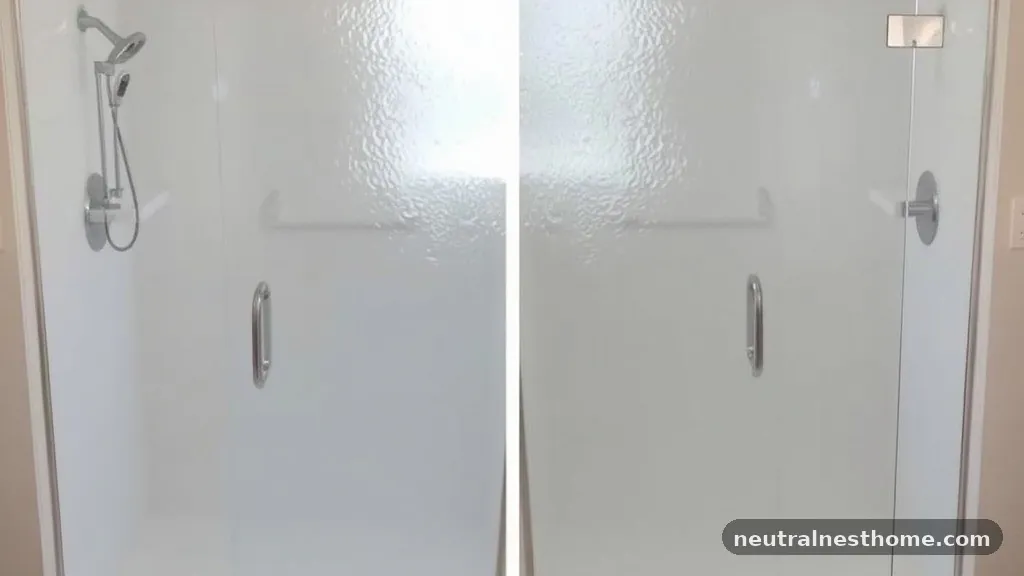
Selecting the right method depends on the severity of the fogging and the type of glass you have. Some surfaces are more prone to scratching, while others are factory-treated with specialized coatings that require gentle care.
| Method | Best For | Main Ingredient |
|---|---|---|
| Vinegar Soak | Light to moderate mineral haze | Acetic Acid |
| Citric Acid Paste | Heavy, crusty limescale buildup | Citric Acid |
| Commercial Lime Scale Remover | Extremely neglected, thick layers | Sulfamic or Hydrochloric acid |
| Razor Scraper | Manual removal of calcified spots | Mechanical force |
Utilizing Mechanical Tools Safely

While chemical cleaners do the heavy lifting, mechanical tools are essential for stubborn, calcified patches. A high-quality glass scraper is an invaluable tool, provided you use it at a shallow angle.
Hold the blade at a 45-degree angle to the glass surface and use light, consistent pressure. Never drag the blade backward, as this can trap grit and cause deep scratches that are impossible to buff out.
For textured glass, which is common in many shower designs, scrapers are often ineffective due to the uneven surface. In these instances, use a nylon-bristled brush or a dedicated melamine sponge.
These tools can reach into the grooves of the glass without compromising the integrity of the material. Always test a small, inconspicuous area of the glass first if you are unsure how the surface will react to mechanical friction.
Preventing Future Buildup
Once you have successfully finished restoring cloudy glass shower doors that look permanently foggy, the goal is to keep them that way. The most effective strategy is to prevent water from sitting on the surface after every use.
A simple silicone squeegee is your best line of defense. By removing the majority of the water droplets immediately after showering, you eliminate the medium through which minerals deposit onto the glass.
Beyond daily maintenance, applying a hydrophobic coating or a glass sealant can provide a long-term protective barrier. These products work by filling the microscopic pores of the glass, creating a smooth surface that allows water to bead up and roll off rather than adhering. You can find more information on the principles of surface maintenance through the National Institute of Standards and Technology, which provides data on material durability and surface science.
Natural Versus Commercial Cleaners

Many homeowners prefer non-toxic cleaners because they are safe for daily use and better for the environment. Baking soda mixed with water to form a paste is an excellent, gentle abrasive for lifting surface oxidation.
Because it is mildly alkaline, it can also help cut through grease and soap scum that acidic cleaners might miss. However, remember to rinse thoroughly, as baking soda residue can leave its own streaky film if not removed.
Commercial products, such as professional-grade lime scale removers, are designed for high-performance cleaning. These often contain stronger acids that work faster than household alternatives.
While effective, they require strict adherence to safety protocols, including the use of gloves and eye protection. Use these only when natural methods fail to achieve the desired clarity, and always follow the manufacturer’s dilution instructions to avoid damaging your shower hardware.
Troubleshooting Persistent Haze
If you have scrubbed and soaked the glass but the fog remains, you might be dealing with internal glass damage or a manufacturing defect. Sometimes, the issue is not on the surface, but rather a result of “glass rot” or a breakdown of the chemical composition of the pane itself. This is particularly common in older installations where the glass was not tempered or coated correctly.
* Check if the haze is visible on the outside of the glass as well as the inside.
* Feel the texture of the glass; if it feels smooth but looks cloudy, the damage may be internal.
* Consider if the “fog” is actually a failed double-pane seal if you have an enclosed unit.
* Attempt a professional-grade glass polishing compound to see if it improves the finish.
If none of these interventions work, the glass may be permanently etched. In this scenario, the most practical solution is to replace the glass panels or consider applying a frosted adhesive film to mask the discoloration.
Frequently Asked Questions
Why does my glass look cloudy even after I have scrubbed it?
If the glass remains cloudy after thorough cleaning, it is likely that the mineral deposits have caused permanent etching. This occurs when acidic water sits on the glass for extended periods, physically pitting the surface. You may need to use a professional glass polishing compound or a high-grit restoration pad to smooth the surface back to transparency.
Can I use steel wool to remove hard water stains?
You should avoid standard steel wool, as it can contain impurities that leave rust stains and cause deep, irreparable scratches on glass. If you must use a metal abrasive, ensure it is a specialized grade of “0000” super-fine steel wool, which is designed for glass polishing. Even then, test a small area first to ensure it does not dull the finish.
How often should I use a squeegee to prevent future buildup?
To effectively prevent the return of mineral haze, you should use a squeegee after every single shower. This simple habit removes the vast majority of water, which is the primary carrier of calcium and magnesium ions. When water is not allowed to evaporate on the glass surface, it cannot leave behind the mineral deposits that cause the fogging.
Are there any DIY solutions that are safe for chrome hardware?
While vinegar and citric acid are generally safe for glass, they can be corrosive to certain finishes on shower hardware, such as brushed nickel or oil-rubbed bronze. Always rinse your fixtures thoroughly with water immediately after cleaning the glass. If you are concerned, cover the metal parts with a protective tape or a thin layer of petroleum jelly before applying your acidic cleaning solution.
Does a glass sealant really work to stop water spots?
Yes, a high-quality hydrophobic coating significantly reduces the ability of water and soap scum to bond to the glass. It creates a low-energy surface that forces water into beads, which then roll off the glass under the force of gravity. While these coatings do not last forever, reapplying them every six to twelve months will make future cleaning significantly easier.
Conclusion
Restoring cloudy glass shower doors that look permanently foggy is a process of patience and consistent chemical application. By moving away from abrasive scrubbing and toward the targeted use of acidic cleaners, you can dissolve the mineral bonds that cause the unsightly haze. Implementing a daily routine of using a squeegee, combined with the occasional application of a hydrophobic sealant, ensures that your efforts result in lasting clarity.
Maintaining a clear shower is not just about aesthetics; it protects your investment and improves the overall hygiene of your bathroom. If you have any questions about specific products or need to troubleshoot a particularly stubborn area, feel free to reach out for further guidance on your home maintenance projects.